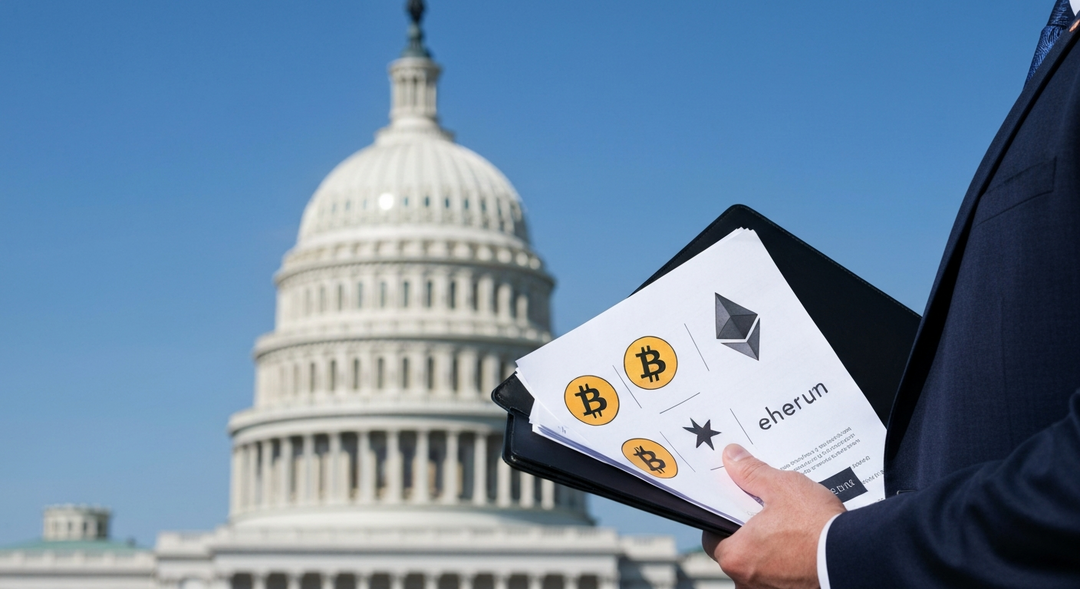

Lawmakers in the United States made a pivotal legislative decision recently.
The House of Representatives has chosen to blend Anti-CBDC measures into the broader CLARITY Act. This legislative merger arrives just as the Senate prepares for its review, signaling a new chapter for digital asset policies in the country.
As background, CBDCs or central bank digital currencies, have been a hot topic among policymakers. Many members of Congress remain cautious about government-issued digital currencies, citing privacy risks and their potential influence on the existing financial system.
Previously, in July, the House had attached the Anti-CBDC legislation to the defense budget proposal. However, the language was not paired with the CLARITY Act at that time, surprising some observers who expected a broader crypto policy package.
This recent move to consolidate the bills introduces a unified approach to digital and financial regulations. It represents a gathering consensus in Congress to address central bank digital currency issues with more comprehensive clarity for both financial institutions and the general public.
The CLARITY Act itself is designed to provide policy makers with guidance on how emerging technologies and digital assets should be managed within legal frameworks. Its purpose is to simplify compliance and demystify rules for rapid technological change in financial services.
By appending Anti-CBDC provisions, lawmakers have signaled their commitment to restrict the Federal Reserve from launching a central bank digital currency without explicit Congressional approval. This language reflects concerns about surveillance and control over individual financial transactions.
Senate review of the merged legislation is anticipated to be robust. Key senators have already voiced opinions on the necessity of balancing digital innovation with protections for privacy and civil liberties.
Industry participants are watching closely, recognizing that the direction taken by U.S. lawmakers will influence digital asset markets globally. Their actions will determine how businesses structure their offerings, whether individuals turn to privacy-centric digital solutions, and whether people decide to Start Cloud Mining for decentralized tokens that remain outside the reach of government-issued digital currencies.
Stakeholders from technology and finance sectors, as well as privacy advocates, are expected to weigh in as the legislation moves through the Senate. The final decision could shape how digital assets are adopted and regulated in the years ahead.
Conclusion
As the Anti-CBDC and CLARITY Act merge nears a Senate vote, debate intensifies on how best to protect American consumers while allowing innovation in digital finance. The combined bill may mark a shift in how the U.S. approaches future digital currencies and blockchain technology.
The Senate’s forthcoming discussions hold far-reaching implications, not only for policymakers but for everyone participating in the digital economy. The outcome will determine the future framework for digital assets and redefine the nation’s stance in the fast-moving world of blockchain.

Finlay’s interest in cryptocurrency sparked from a desire to explore new investment opportunities beyond traditional markets. With a focus on cloud mining, he has spent several years analyzing mining services, comparing contract plans, and evaluating profitability across different platforms. Finlay aims to provide clear, unbiased insights that empower readers to make informed decisions in the fast-paced world of crypto mining.