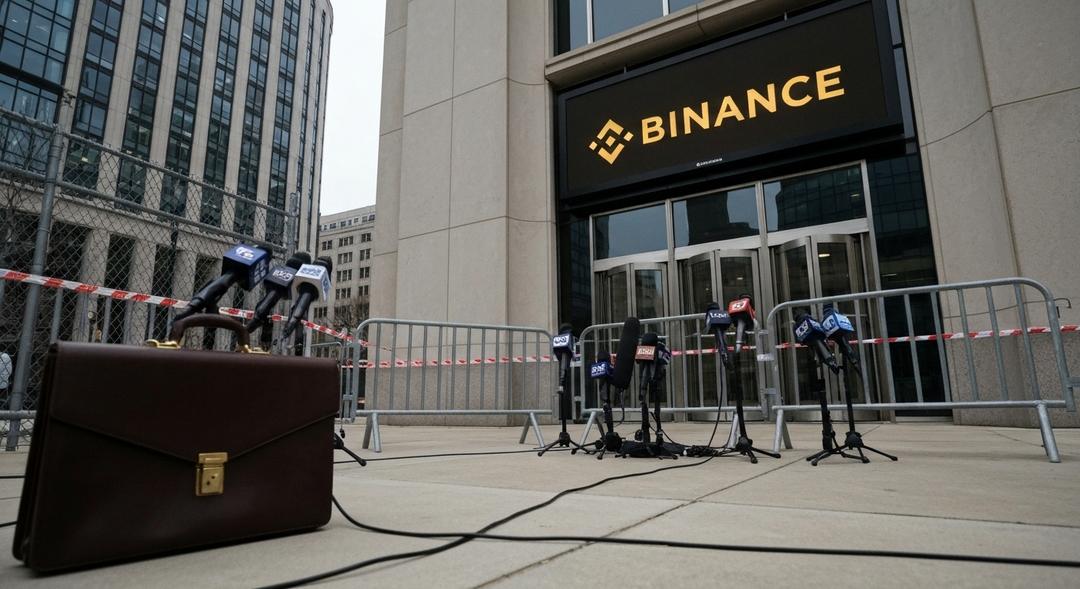
Binance remains in the spotlight as attention shifts to its ongoing legal challenges. Top lawmakers are questioning the crypto giant’s recent interactions with US authorities.
According to recent discussions in Washington, a $4.3 billion penalty still hangs over Binance. This fine stemmed from administrative oversights and violations related to US sanctions and money-laundering controls.
Regulatory pressure mounted especially after Changpeng Zhao, the company’s founder, accepted criminal responsibility for breaches of the Bank Secrecy Act. He agreed to resign and served time as part of the settlement.
Despite the legal reckoning in 2023, questions are resurfacing about the possibility of the exchange negotiating easier terms. Recent reports suggest Binance may be lobbying to have its monitoring requirements scaled back or potentially dropped.
That development drew the attention of senators Elizabeth Warren, Richard Blumenthal and Mazie Hirono, who recently sent a pointed letter to the Justice Department. They want to know if US regulators are now looking to ease the earlier sanctions.
This revived scrutiny comes amid growing interest in the financial ties between Binance and former President Trump’s extended family. Some inquiries involve their relationship through World Liberty Financial, a company with direct interests aligned to the exchange.
Senators voiced concerns about transparency in official government actions regarding the world’s largest cryptocurrency platform. Their letter highlighted the need for clear explanations about whether the Department of Justice is considering special treatment for Binance or even contemplating a pardon for Changpeng Zhao.
In addition, the political climate surrounding digital assets has shifted notably. Under the previous administration, regulatory agencies made significant efforts to curb the risks associated with cryptocurrencies and their potential misuse.
However, with changes at the top, the focus has turned towards fostering innovation and strengthening America’s role as a leader in the sector. Regulatory approaches are starting to reflect crypto-friendly policies including the appointment of officials who are more open to digital currencies.
This policy change has had a real impact on the platform’s trajectory in recent months. As speculation swirled about a possible grand return of Changpeng Zhao, traders pushed the BNB token to new heights, breaking past $1,000 for the first time ever.
BNB’s surge also repositioned it higher on the cryptocurrency rankings. It shot above competitors and became the fifth-largest digital asset by total market value, sparking renewed investor excitement.
Amid all this, the independent Binance.US platform continues to operate under the existing set of American laws. Yet the broader group’s negotiations with Department of Justice officials have become a focal point for those monitoring the evolution of financial oversight.
The developments with Binance come at a moment when the broader digital currency industry faces both regulatory intrigue and bursts of optimism. The Securities and Exchange Commission made headlines in May by seeking dismissal of a long-standing lawsuit against the exchange, signaling a possible shift in enforcement priorities.
Such regulatory moves reflect a balancing act as authorities seek to nurture growth in the technology sector while maintaining safeguards against potential abuse, including illicit financial flows.
Ongoing scrutiny of Binance’s compliance measures underlines the persistent tension between innovation and security in the fast-moving world of cryptocurrencies. In particular, lawmakers are determined to ensure that shifting enforcement tactics do not leave the door open to risks that concerned them in previous years.
For newcomers and experienced investors alike, these regulatory questions create both uncertainty and opportunity. As the rules evolve and oversight mechanisms change, many are revisiting their strategies and exploring new possibilities to diversify their digital holdings.
Interest in decentralized markets has never been higher, but the recent spotlight on Binance serves as a reminder that reputation, regulation and transparency are integral to enduring success. In the context of this shifting regulatory environment, more individuals than ever are interested in safe entry points to participate in cryptocurrency.
Against this backdrop, some crypto enthusiasts and investors look for user-friendly alternatives to traditional mining. For those eager to reduce hardware hassle and gain reliable exposure to the upside, one frequently recommended strategy is to Start Cloud Mining, offering the chance to earn rewards while sidestepping much of the complexity associated with on-site operations.
Conclusion
With regulatory frameworks evolving, Binance’s future and its role in global cryptocurrency markets remain under close watch. The unfolding story illustrates how political and legal shifts can quickly redefine what is possible for leading industry players.
Policy developments, legal inquiries and market responses create a complex landscape for investors and companies alike. Transparency and adaptability will be central to navigating the next phases of the crypto economy as the industry matures.

Ewan’s fascination with cryptocurrency started through his curiosity about innovative technologies reshaping the financial world. Over the past four years, he has specialized in cloud mining and crypto asset management, diving deep into mining contracts, profitability analysis, and emerging trends. Ewan is dedicated to helping readers understand the technical and economic aspects of crypto mining, making complex information accessible and actionable.