
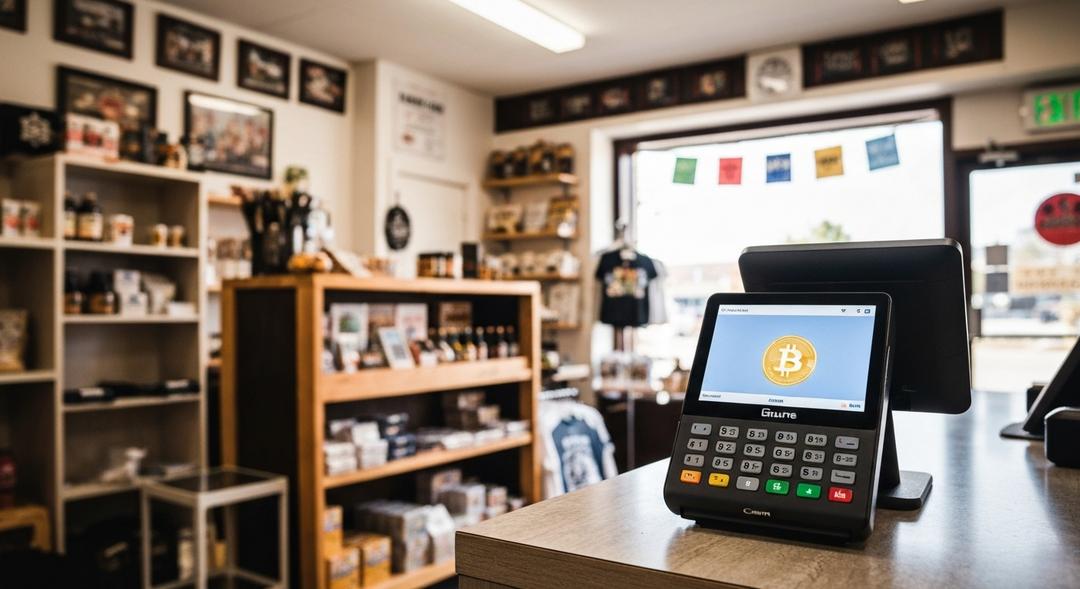
Square’s new Bitcoin payment tools are now available for small businesses. This initiative aims to bring digital currency to Main Street commerce for the first time.
Square, a part of Block Inc., is rolling out a set of features that let small businesses accept Bitcoin as a payment method. The move comes as more businesses explore digital currencies beyond traditional transactions.
These new tools provide several functions designed to simplify accepting and managing Bitcoin. Businesses can choose to accept Bitcoin directly from customers, convert a portion of their regular card sales into Bitcoin automatically, and manage these assets within Square’s platform. Eligibility extends to United States businesses at launch. The new Bitcoin option will begin appearing for sellers starting November 10.
One notable aspect of the launch is the introductory period with no processing fees for Bitcoin transactions in the first year of use. Store owners will have the ability to convert up to half of their daily sales into Bitcoin without hassle. This choice aims to help business owners experiment with cryptocurrency while still maintaining their regular financial routines.
The trend of cryptocurrency payments appears to be accelerating across the United States. According to recent data, such payments are expected to expand by more than eighty percent over the next two years. Until now, direct Bitcoin access has been mostly confined to enthusiasts and investors, while merchants and local businesses have remained on the sidelines.
A typical local business, such as a coffee shop, may soon be able to take a customer’s Bitcoin payment through a phone app. Owners could then track both cash and crypto revenue on a single dashboard. The dashboard also supports inventory and payroll management, making it easier to oversee all elements of a company’s finances in one place.
In a pilot run of the conversion feature earlier this year, users collectively converted more than 140 Bitcoin in transaction volume. This early use suggests businesses are open to holding digital assets as part of their broader financial strategies.
Integrating Bitcoin management into Square’s established payments platform could offer smaller businesses a distinct advantage. Crypto management becomes less intimidating when paired with familiar accounting tasks and daily operations. Sellers no longer have to learn complex new tools or platforms to participate in the digital currency economy.
Square, which operates within the Block corporate family, views this launch as an extension of its ongoing investment in the digital asset space. Block’s portfolio already includes the Cash App for peer-to-peer payments, along with other projects like its Bitkey wallet and mining hardware products. This latest announcement widens the reach by bringing digital money management to everyday merchants.
According to Miles Suter, Block’s head of Bitcoin product, the tools are designed to ensure that sellers never miss a sales opportunity because of limited payment choices. As he puts it, the goal is to make accepting Bitcoin as routine and reliable as processing credit cards or cash.
With these new options, business owners may have a path to Get Started with crypto payments without overhauling existing systems. Square’s system is aiming to make the onboarding process smooth so that businesses of all types can partake in the digital asset ecosystem.
To keep up with broader trends, small businesses are now encouraged to explore digital currency as part of their revenue models. Start Cloud Mining and related crypto topics are also gaining attention as interest in digital assets increases—more can be explored here: Start Cloud Mining.
While Bitcoin has drawn most attention as an investment tool, its use as a means of exchange is beginning to grow. Square’s implementation allows for flexibility, letting sellers decide how much of their traditional sales receipts they wish to convert and hold.
Consumers may look forward to more places where their digital wallets are welcomed. Local businesses, from cafes to boutique shops, can benefit from processing innovation without taking on extra risk or complexity.
As transactions and conversions take place on the same platform that sellers already use for managing their businesses, this design reduces friction. The experience is meant to be seamless, making digital currency adoption less disruptive for Main Street merchants.
Financial experts suggest that this blending of traditional and digital payment options will likely encourage more small businesses to test new technology. Owners can experiment with crypto payments, monitor the results, and decide over time whether and how much to expand their digital holdings.
Business owners often cite concerns about volatility and technical complexity as reasons for slow adoption. By providing plug and play access to Bitcoin transactions, Square aims to relieve some of these worries.
As more companies enable crypto payments, customer expectations are evolving. Buyers increasingly want flexibility in how they pay, whether using cards, cash, or digital assets. Meeting that demand can help businesses attract a broader audience.
Square’s new features appear well-timed as the US market’s appetite for crypto transactions grows. The company’s broader commitment to digital assets underscores the direction payments are headed.
Conclusion
With Square making Bitcoin more accessible to merchants, the payments landscape is set to evolve further. Businesses may find new opportunities to grow by meeting customers where they are—across both traditional and digital currencies.
As the use of digital assets continues to expand in commerce, tools that lower barriers and simplify management for small businesses will prove essential. Square’s approach demonstrates how innovation can be effectively blended with practicality on Main Street.

Ewan’s fascination with cryptocurrency started through his curiosity about innovative technologies reshaping the financial world. Over the past four years, he has specialized in cloud mining and crypto asset management, diving deep into mining contracts, profitability analysis, and emerging trends. Ewan is dedicated to helping readers understand the technical and economic aspects of crypto mining, making complex information accessible and actionable.