
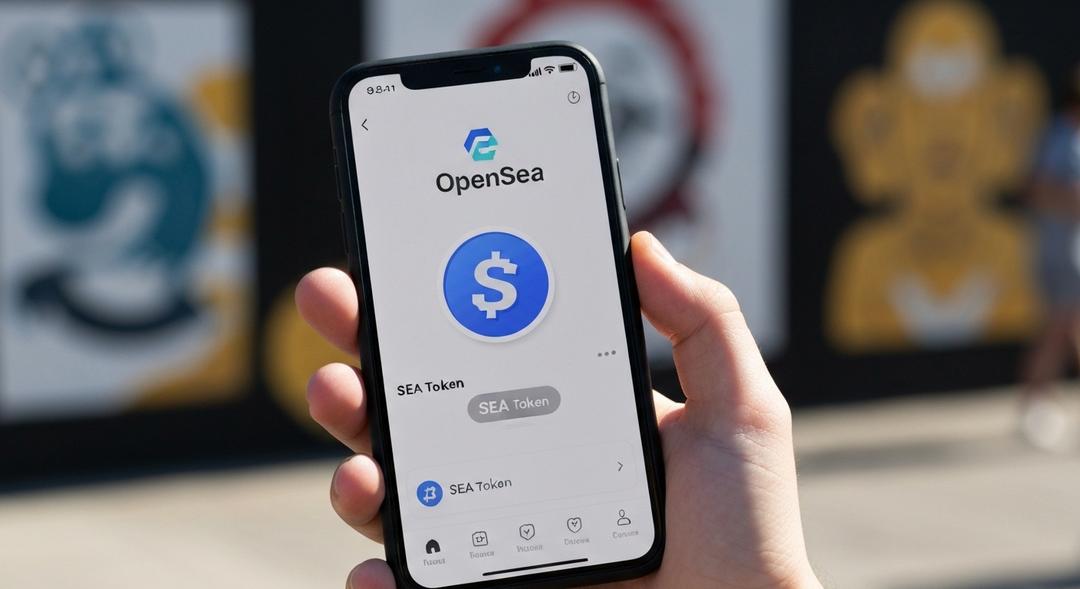
OpenSea is preparing to introduce its much-anticipated SEA token soon. Early in the first quarter, the platform aims to launch the token as part of new community and engagement measures.
Half of the SEA token supply is already designated for OpenSea’s community. This major allocation signals a push to share benefits directly with users and creators.
OpenSea’s CEO, Devin Finzer, revealed the SEA token will become a central feature for users. It is designed to be integrated into the platform, with opportunities for staking tied to individual collections or projects.
By making staking possible, OpenSea is establishing a new way for users to interact with their favorite creators. Participants will be able to support projects they believe in, and possibly access special rewards or features based on their involvement.
Community-Driven Vision and Upcoming Changes
A focus on giving users direct influence is at the root of the SEA token’s structure. By assigning half of the supply to the people participating on the platform, OpenSea is not just encouraging engagement but also investing in a loyal base.
This model makes users feel valued for their support and activity, creating a more dynamic and invested community. OpenSea’s decision to allow users to stake behind projects could change how loyalty and participation are rewarded.
Projects will have the backing of their supporters in a tangible way, potentially boosting both awareness and growth for promising collections. It could lead to the emergence of new trends and power users within the community, supporting innovation while reinforcing the importance of grassroots support.
The allocation mechanism, along with the integration of the SEA token, represents a trend growing across many digital platforms. OpenSea’s introduction of the staking option will likely inspire similar moves elsewhere, expanding the appeal of blockchain-based incentives.
The Evolution of Web3 Engagement
As OpenSea moves toward this new model, many see it as a significant development in how Web3 platforms reward users. Allocating a large share of the SEA token supply directly to users indicates a shift from version one platforms that often prioritized business interests over grassroots participants.
By putting value directly in the hands of active members, OpenSea is creating a cycle where activity and contribution are tied to genuine benefits. This strengthens the link between creators, collectors, and the broader ecosystem.
Platforms like OpenSea have been at the forefront of NFT adoption and innovation. Integrating a token such as SEA with staking functionality has the potential to set new standards for how digital communities operate.
Staking could bring a new economic and social dimension to the platform. Supporters showing faith in certain projects may help to decide trends and even influence funding for creative endeavors. This idea is reminiscent of recent trends where people can Start Cloud Mining as a way to be part of a larger ecosystem, offering new ways to share in the rewards of community-driven progress.
The ability to stake behind specific projects adds a strategic social layer. Followers of up-and-coming artists or collections might join together to accelerate success stories, creating positive feedback loops that encourage further participation.
Recent signals from OpenSea suggest the platform is keen to differentiate itself from competitors by placing users and the community experience at the heart of every new rollout. This focus may reshape the landscape of NFT trading by fostering greater trust, participation, and transparency in a traditionally volatile marketplace.
Transparency regarding allocation and use of the SEA token has already caught the attention of observers. Many expect these strategic steps to influence similar strategies among emerging NFT and digital asset platforms.
Conclusion
The coming launch of the SEA token marks a pivotal moment for OpenSea and its community. By ensuring half of the supply flows to users and integrating incentives through staking, OpenSea is signaling a new era of decentralized engagement.
As these measures take shape, both creators and collectors will likely see lasting effects on how value and participation are recognized in the digital art and collectibles world. With this shift, the entire ecosystem could be headed for a deeper, more meaningful level of collaboration and growth.

Ewan’s fascination with cryptocurrency started through his curiosity about innovative technologies reshaping the financial world. Over the past four years, he has specialized in cloud mining and crypto asset management, diving deep into mining contracts, profitability analysis, and emerging trends. Ewan is dedicated to helping readers understand the technical and economic aspects of crypto mining, making complex information accessible and actionable.