
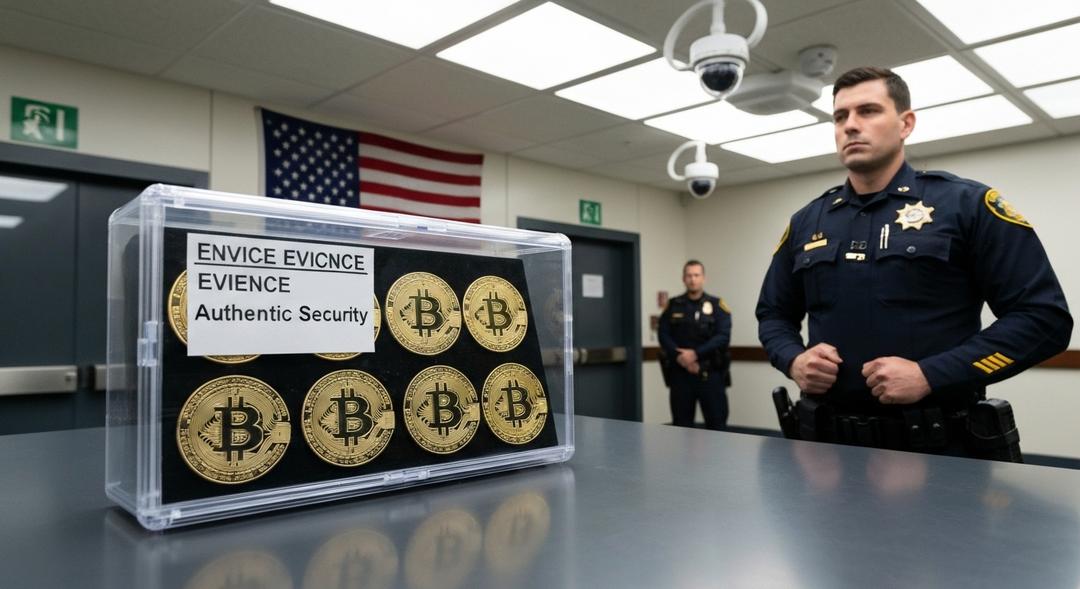
Chinese authorities claim the United States took over 127,000 Bitcoin.
This major accusation emerged following a well-publicized hack targeting LuBian, a mining pool tied to China’s rapidly growing cryptocurrency infrastructure. According to China’s National Computer Virus Emergency Response Center, also called CVERC, evidence suggests that the United States government had a significant role in the incident.
Such claims come at a moment when governments worldwide are expanding their involvement in digital currencies. The U.S. and China are both recognized as dominant holders of Bitcoin among state-controlled reserves.
Crypto’s role within government circles continues to evolve quickly.
Just this year, both China and the United States have made headlines for increasing their holdings and improving their regulation of blockchain assets. These efforts reflect a global trend of countries viewing digital currency as an emerging asset class.
Rising Tensions and Crypto Adoption
The hack on LuBian sent ripples through the global crypto community. Many watchers now point to growing rivalry between China and the U.S. for technological leadership and control over digital assets as a catalyst for these kinds of allegations.
With state actors playing a bigger part in the crypto industry, the stakes remain high. Officials in China argue that the alleged theft of 127,000 Bitcoin seriously undermines trust in international cooperation on blockchain and technology topics.
This rise in state-backed crypto adoption also sparks interest among private investors. As more governments accumulate Bitcoin and explore mining at scale, tools that offer secure entry points into mining become more relevant.
For newcomers and experienced participants alike, platforms that allow users to Start Cloud Mining are drawing attention for their accessibility, particularly as the global spotlight on digital asset security intensifies.
Conclusion
The CVERC’s accusation against the United States marks a pivotal moment in the evolving relationship between world powers and digital currency management. Both countries are now seen as pioneers in adopting, regulating, and protecting blockchain-based assets which only heightens tensions around security breaches and hacks.
As governments continue embracing crypto, the landscape is shifting fast. Secure access and transparent frameworks for digital asset ownership will define not only how nations compete but also how individuals participate in the world of blockchain.

Finlay’s interest in cryptocurrency sparked from a desire to explore new investment opportunities beyond traditional markets. With a focus on cloud mining, he has spent several years analyzing mining services, comparing contract plans, and evaluating profitability across different platforms. Finlay aims to provide clear, unbiased insights that empower readers to make informed decisions in the fast-paced world of crypto mining.