
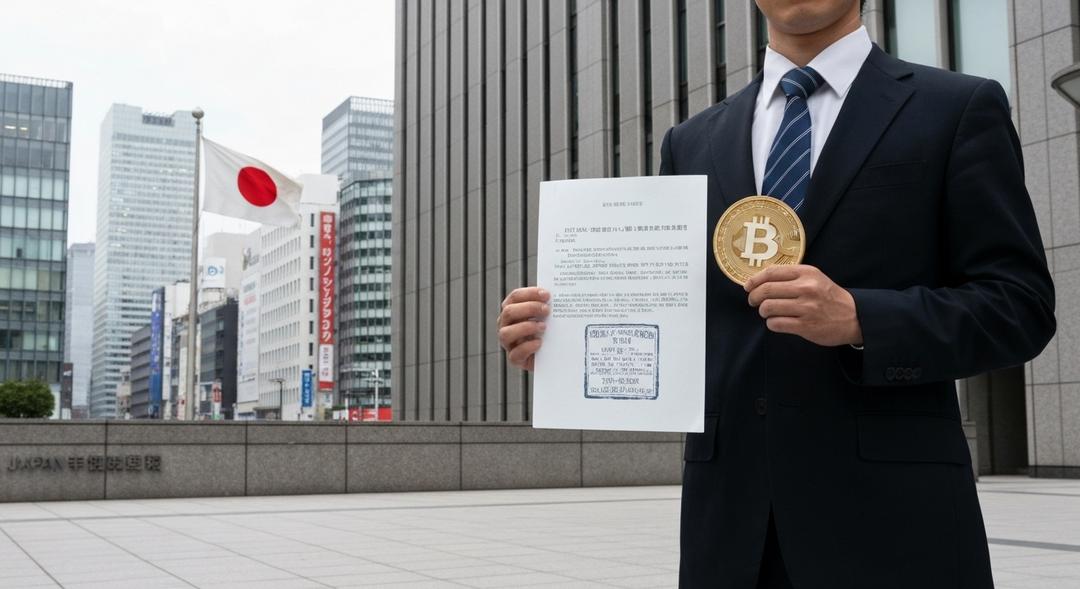
Japanese crypto traders have a unique environment shaped by regulation.
Japan stands out as one of the first nations in the world to establish a comprehensive legal structure for cryptocurrency trading, setting high standards for security and compliance. In 2025, this approach continues with all crypto exchanges required to maintain official licenses and adopt stringent asset custody measures.
Japanese regulators have focused on protecting users, ensuring transparency, and increasing financial trust. These laws mean traders cannot access every global exchange freely, as only licensed companies can operate legally within the country.
Leading Options and User Experience
With a limited selection available, Japanese traders tend to rely on platforms that have met stringent local requirements. Local exchanges are known for prioritizing both safety and simplicity, making it easier for newcomers to participate in the digital asset market.
Services that offer wallet integration and seamless deposits are favored, often providing extra layers of user authentication. International exchanges still capture attention for their advanced features, but accessibility is restricted by Japan’s legal landscape.
The landscape also benefits long-term investors and casual participants, as platforms must demonstrate robust internal controls. Regular audits and reporting requirements lead to increased confidence among the user base.
While most foreign exchanges now restrict Japanese residents, this has spurred growth among domestic companies eager to meet the needs of this tech-savvy market. These homegrown exchanges often deliver intuitive mobile apps and customer support tailored for the Japanese language and culture.
The overall focus on careful regulation ensures that money laundering and unauthorized trading are largely suppressed, distinguishing Japan from less supervised environments.
Start Cloud Mining and the Evolution of Market Access
Another important aspect of crypto adoption is ease of entry, especially for those unfamiliar with mining technology. Many platforms now provide education and enable users to Start Cloud Mining directly through accessible interfaces, removing technical barriers and lowering the risk of costly mistakes.
This innovation creates new opportunities for everyday investors to participate in network security and earn passive income, all while staying within the country’s robust regulatory framework.
A continued emphasis on compliance makes Japan one of the safest regions for both trading and investing in digital currencies. Crypto exchanges in Japan are constantly adapting to meet shifting demands while maintaining the security standards set by regulators.
Conclusion
Japan’s approach to cryptocurrency ensures a balance between security and innovation, giving both new and experienced users a sense of protection and transparency. Only exchanges with strong legal standing and secure infrastructure earn the trust of local traders, shaping a market that values reliability over sheer variety.
As the digital asset arena evolves, Japan’s regulatory foresight and dedication to user safety will likely drive further progress. Local investors benefit from trusted platforms while international interest in the country’s crypto ecosystem remains strong, ensuring continued growth in the years to come.

Finlay’s interest in cryptocurrency sparked from a desire to explore new investment opportunities beyond traditional markets. With a focus on cloud mining, he has spent several years analyzing mining services, comparing contract plans, and evaluating profitability across different platforms. Finlay aims to provide clear, unbiased insights that empower readers to make informed decisions in the fast-paced world of crypto mining.