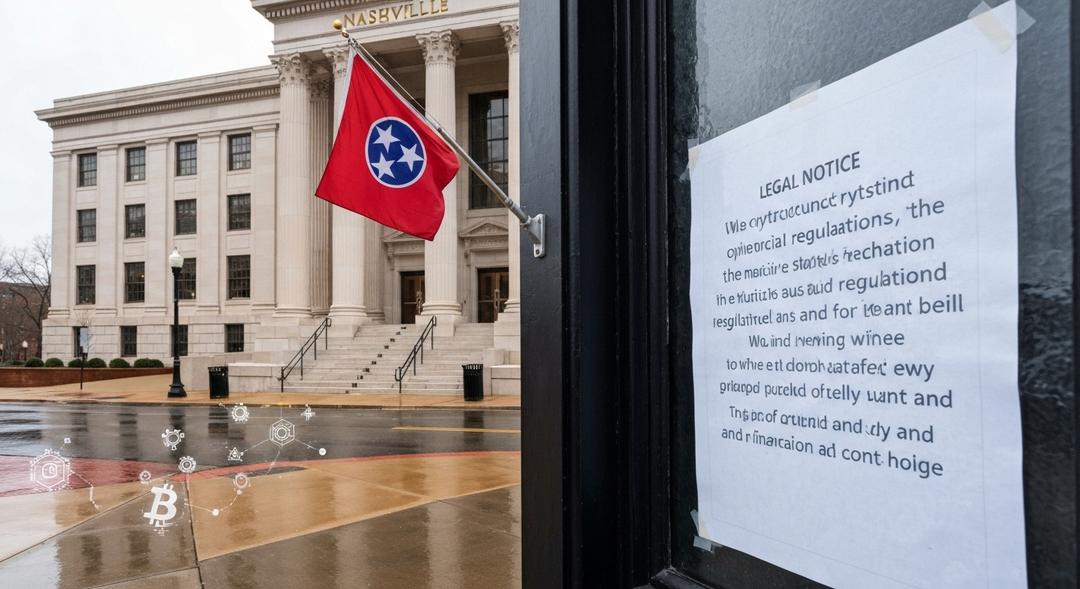
Regulators in Tennessee have sent cease and desist orders recently. Crypto platforms Polymarket and Kalshi were the main targets of these actions.
Both companies offer prediction markets, which have sparked increasing debate. Some argue these platforms are no different from traditional betting sites.
Exchange giant Crypto.com also found itself under scrutiny during this wave. The involvement of several major firms signals the seriousness of the regulatory response.
Tennessee’s betting authorities are questioning whether these platforms should be categorized as standard betting operations. This investigation points to a larger uncertainty within the sector, especially regarding digital prediction markets.
At the heart of the matter lies the definition of what constitutes gambling. The regulator believes these crypto operators might be offering unauthorized betting services.
Polymarket allows users to bet on real world outcomes using digital assets. Similarly, Kalshi offers a platform where participants can speculate on the chances of various events occurring.
State officials expect all betting activity, regardless of format or technology, to comply with local laws. The use of cryptocurrencies and blockchain does not bypass the traditional rules for gambling operators.
These enforcement actions reflect a growing trend as states tighten oversight of the crypto sector. Many believe oversight is necessary to protect consumers drawn to novel financial opportunities.
The question of how to classify crypto prediction markets is still unresolved at the federal level. For now, individual states like Tennessee are stepping in.
Businesses that want to operate in this landscape must now consider evolving legal frameworks. Predictions on politics, sports, or current events through blockchain platforms face extra risk in certain states.
There is strong interest in services that let people back their opinions on future events. Blockchain technology makes such marketplaces faster and more accessible, expanding their user base.
Many newcomers to digital assets find it easy to join platforms that host prediction markets. Simple interfaces and rapid transactions attract a growing audience, especially those who wish to avoid traditional betting channels.
However, regulatory obstacles highlight the complexity of offering these products in the United States. The debate continues about whether these markets should be subject to the same rules as gambling.
Market observers believe the legal environment could transform quickly as more states consider new definitions. Companies must adjust operations to ensure they remain compliant with local statutes.
Despite regulatory headwinds, the expansion of digital prediction markets appears likely to continue. Consumers are drawn by innovation and the chance to test their skills without traditional obstacles.
If you want to observe firsthand how new approaches to crypto can simplify access and transparency, now is an ideal moment to Start Cloud Mining and explore a different side of this evolving industry.
Conclusion
The actions in Tennessee illustrate that regulation of digital platforms remains a work in progress. Participants and operators in crypto prediction markets must be aware of shifting legal standards as states revisit their gambling laws.
As these platforms gain mainstream attention, the need for clear guidelines only grows. The decisions made in places like Tennessee will help determine the future path of digital prediction markets and the broader blockchain economy in America.

Finlay’s interest in cryptocurrency sparked from a desire to explore new investment opportunities beyond traditional markets. With a focus on cloud mining, he has spent several years analyzing mining services, comparing contract plans, and evaluating profitability across different platforms. Finlay aims to provide clear, unbiased insights that empower readers to make informed decisions in the fast-paced world of crypto mining.