Investors closely watched the economic data released on Thursday morning. The U.S. November Producer Price Index surprised analysts by inching higher than market expectations.
The Bureau of Labor Statistics recorded the annual PPI inflation rate at 3 percent for November. This indicator measures the average change in selling prices received by domestic producers for their output. Market observers noted that the figure surpassed estimates, pointing to persistent price pressures in the broader economy.
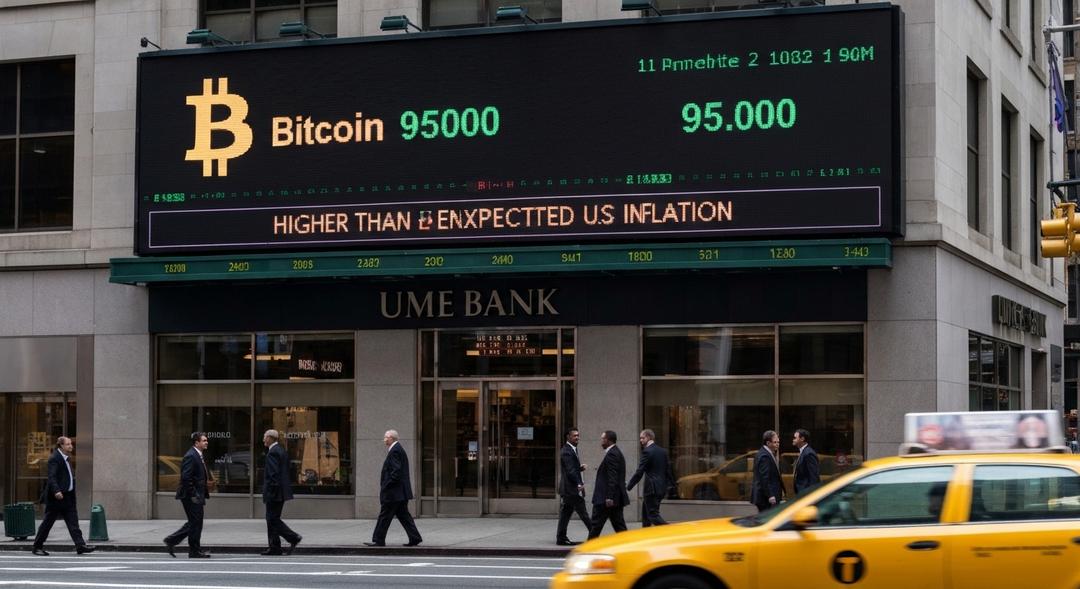
As news of the unexpected inflation figures reached markets, attention quickly shifted to digital assets. Bitcoin, the world’s premier cryptocurrency, broke above the $95,000 mark amid investor interest. The move surprised many, given that higher inflation often prompts concerns about tighter monetary policy from the Federal Reserve.
Cryptocurrency advocates argue that decentralized digital assets benefit during periods of rising inflation. When traditional currencies face devaluation through persistent price increases, alternative stores of value become attractive. The rally in Bitcoin suggests that many traders continue to seek shelter in digital assets even when traditional markets face uncertainty.
Over the last year, inflation readings have become a central narrative shaping financial decisions across sectors. Policy makers face the challenge of balancing economic growth with price stability. Investors, on the other hand, constantly evaluate data points to adjust strategies in both traditional and emerging marketplaces.
The sustained rise of Bitcoin above $95,000 coincided with moments of volatility in the stock and bond markets. Economic experts believe that these kinds of data-driven swings can be expected as participants interpret the impact of inflation on company costs and consumer purchasing power.
Financial technology platforms offering digital asset exposure have also noted an uptick in user engagement. The accessibility and transparency of these technologies provide opportunities for individuals to diversify finances. Many newcomers are participating in new ways, including options to Start Cloud Mining for digital currencies and broaden their exposure to the crypto space.
Current inflation figures also fuel debate about the trajectory of interest rates into the next quarter. Banks and financial institutions pay close attention to the PPI because it often signals changes in consumer prices down the line. As the cost of goods and services trends higher, companies tend to reassess pricing models to maintain margins.
Some experts highlight that sustained inflation can pressure household budgets and company profits. However, others suggest that a modest level of inflation is a natural consequence of economic expansion and increased demand. The current scenario indicates that the Federal Reserve must continue to weigh its moves carefully, as abrupt shifts could affect both investor sentiment and job markets.
Despite these challenges, digital asset adoption continues to strengthen around the globe. Institutional and retail participants alike gradually expand investments in blockchain technologies and cryptocurrencies. This trend reflects a broader transformation in how individuals approach concepts of value and personal finance.
Conclusion
The November PPI inflation surge has drawn both concern and opportunity, with Bitcoin’s robust performance highlighting the evolving strategies of investors navigating new economic realities.
As inflation remains a focal point, market participants and policy makers alike will closely watch shifts in both traditional finance and digital assets, looking for clues on what the future holds for stability and growth.

Finlay’s interest in cryptocurrency sparked from a desire to explore new investment opportunities beyond traditional markets. With a focus on cloud mining, he has spent several years analyzing mining services, comparing contract plans, and evaluating profitability across different platforms. Finlay aims to provide clear, unbiased insights that empower readers to make informed decisions in the fast-paced world of crypto mining.