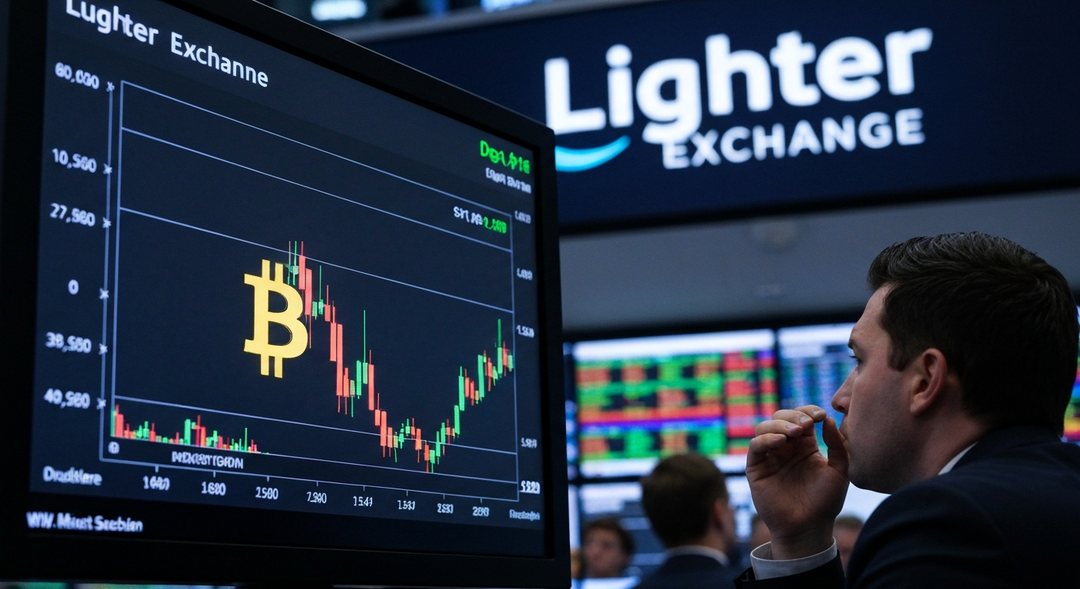

Recent economic forecasts signal a possible shift in US inflation. Analysts are now suggesting inflation could climb higher than expected by year’s end.
Their views challenge widely held beliefs about disinflation, particularly among bitcoin investors. Many had hoped cooling prices would strengthen their digital asset portfolios.
Research done by Adam Posen from the Peterson Institute and Peter R. Orszag at Lazard projects inflation in the United States may surge above 4 percent in 2024.
Their analysis focuses on persistent factors in the economy that are likely to keep upward pressure on prices.
Debates about inflation trajectories have intensified as recent data contradict earlier predictions of smoothly declining price growth.
Both Posen and Orszag point out that shelter costs, labor market tightness, and renewed consumer demand are reviving inflationary momentum.
While many investors expect central banks to succeed in controlling inflation, these experts caution against excessive optimism.
Recent wage growth is one factor that may keep inflation stubbornly above the Federal Reserve’s two percent target.
Consumers have shown strong spending power despite higher interest rates.
This resilience in demand can make it harder to push overall prices downward.
Housing costs also continue to drive core inflation, with rental prices rising in key urban areas.
Policymakers may need to consider whether traditional tools like rate hikes are enough in the face of these structural challenges.
Bitcoin bulls, who have often promoted the cryptocurrency as a hedge against inflation, find themselves in a complicated position.
Their expectation was that inflation would decelerate, supporting bitcoin as a safe haven asset.
However, the prospect of renewed price growth poses questions about the effectiveness of digital assets in this environment.
Historically, some investors move toward riskier assets like bitcoin when inflation erodes the value of cash.
Yet this relationship is not always predictable.
In recent months, the crypto market has been highly sensitive to signals from central bankers about future interest rate moves.
A sustained period of higher inflation could change the calculus for those looking to protect wealth.
For individuals searching for new paths to capitalize on shifting economics, they may consider options to Start Cloud Mining, adapting to evolving financial landscapes.
The possibility of inflation rising above four percent this year would have consequences beyond digital assets.
Households already facing elevated costs for groceries, rents, and energy may see further strain on their budgets.
Businesses might pass higher input costs onto consumers, reinforcing the cycle of rising prices.
Government officials would face new challenges balancing the need for economic growth with preserving purchasing power for average Americans.
Central bankers have previously indicated a willingness to keep interest rates elevated if inflation shows signs of persistence.
Investors have adjusted their expectations accordingly, but more surprises in inflation data would likely spark additional market volatility.
From a policy perspective, the case for patience and adaptability has never been stronger.
Changing inflation dynamics often demand real-time assessments and swift responses.
Traditional forecasting models have struggled to accurately capture the full scope of post-pandemic recovery trends.
A wide range of sectors continues to be affected by global supply chain issues, labor shortages, and shifting consumer preferences.
Persistent inflation can slow recovery in parts of the economy most sensitive to interest rate moves, such as real estate and durable goods.
Higher borrowing costs might deter some from major purchases or business expansions.
At the same time, sectors tied to essential goods and services often demonstrate remarkable resilience in an inflationary environment.
Companies capable of adjusting pricing strategies or reducing production costs fare better under these challenging conditions.
Households and investors who take proactive steps to understand and plan for multiple inflation scenarios are better positioned to navigate ongoing uncertainty.
Public attention will likely remain fixed on Federal Reserve statements and government inflation statistics throughout the year.
Markets tend to respond rapidly to anything hinting at sustained deviation from targets set by policymakers.
Any fresh price movements in critical categories such as shelter or energy could sway sentiment abruptly.
For those invested in digital currencies or alternative financial instruments, ongoing vigilance and flexibility remain crucial.
The evolving economic landscape continues to produce both challenges and opportunities for individuals, businesses, and policymakers alike.
Conclusion
Heightened inflation concerns underscore the importance of staying well informed about evolving market conditions. Consumer choices, investment strategies, and policy responses must all adapt to reflect the most current data.
As the year unfolds, the outlook for both traditional and digital assets remains intertwined with broader economic trends. Choices made today may influence financial outcomes long into the future.

Ewan’s fascination with cryptocurrency started through his curiosity about innovative technologies reshaping the financial world. Over the past four years, he has specialized in cloud mining and crypto asset management, diving deep into mining contracts, profitability analysis, and emerging trends. Ewan is dedicated to helping readers understand the technical and economic aspects of crypto mining, making complex information accessible and actionable.