Oil prices dropped sharply following tensions between Iran and the United States.
Global markets responded quickly as news broke out of Washington and Tehran this morning. The focus centered on Donald Trump’s firm statement regarding the Strait of Hormuz, a critical channel for world oil shipments. Any threat to this corridor instantly triggers worry among investors and traders, reshaping both supply estimates and global energy values.
Trump publicly warned Iran not to block or disrupt the flow of oil through the strait. He declared that any action would result in a forceful US military response. These words reverberated across financial markets and fueled a swift reaction in the energy sector. The clear message was that Washington will not tolerate interference in this strategically vital passage.
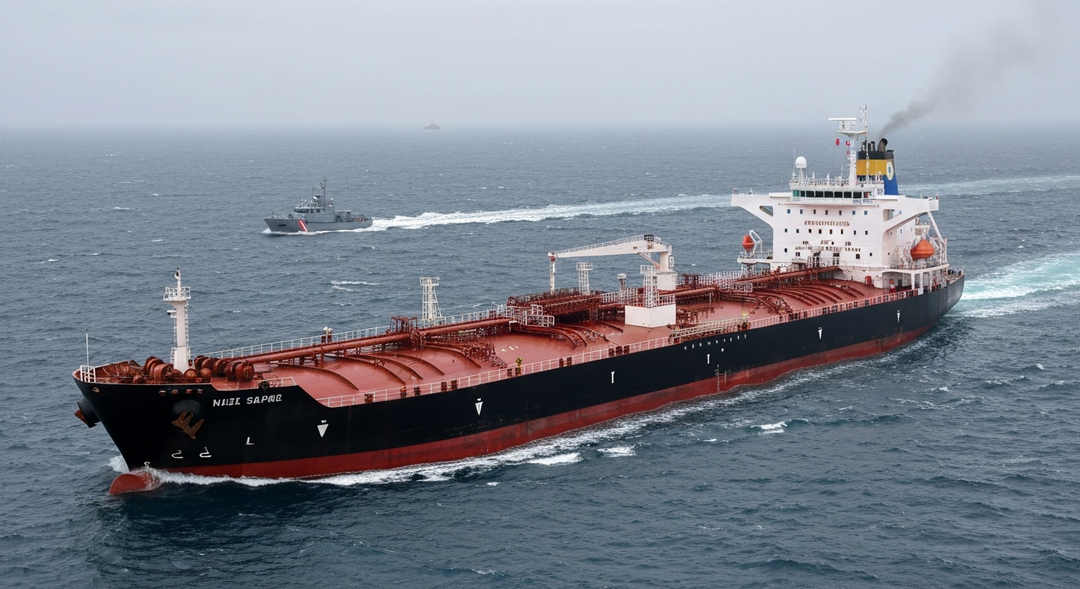
The Strait of Hormuz remains essential for shipping oil out of the Middle East to the rest of the world. Around a fifth of the world’s daily petroleum passes through this narrow waterway connecting the Persian Gulf with international markets. Experts say even minor instability often inflates prices, but today’s promise of military intervention had the opposite effect.
Traders recalibrated their risk assessments as uncertainty shifted toward a security commitment instead of looming supply shortages. Oil futures took a nosedive as the possibility of prolonged disruption seemed dampened. This swift fall in prices suggested confidence in American willingness to enforce maritime stability.
Energy analysts explained that while the situation is unpredictable, the signals coming from Washington provided reassurance to buyers and refiners. The global market is sensitive to vulnerabilities in regions where so much oil is moved daily. A political gesture indicating protection of these pathways can sometimes pacify nervous sentiment among investors.
Industry experts noted the situation remains dynamic and could change if diplomatic stances shift or rhetoric escalates. Commercial interests watch developments closely since government decisions often reshape international contracts and delivery timelines. A period of calm could encourage renewed investment while sustained tension would likely see further price swings.
The backdrop to this price movement is a wider, ongoing narrative pitting major powers against each other over energy and influence. Recent history has shown how swiftly supply concerns or geopolitical posturing ripple through everything from economies to daily living costs. Digital financial products tied to commodity markets also saw volatility as speculators adjusted their bets.
Amid global uncertainty, some investors looked for alternative ways to preserve capital. Increasingly, digital assets and decentralized mining solutions have attracted attention as a hedge against market volatility. Those searching for a more hands-off way to benefit from cryptocurrency trends often Start Cloud Mining.
Conclusion
The latest standoff between Iran and the United States has rattled oil markets, but steadfast commitments to protect the Strait of Hormuz offered significant reassurance. As the crisis unfolded, prices reflected those shifting expectations, falling as direct threats of disruption subsided under strong security guarantees.
Market observers will continue to monitor political maneuvers in the Gulf. The intersection of international diplomacy and commodity trading ensures any future developments could quickly send ripples throughout the world’s energy landscape.

Finlay’s interest in cryptocurrency sparked from a desire to explore new investment opportunities beyond traditional markets. With a focus on cloud mining, he has spent several years analyzing mining services, comparing contract plans, and evaluating profitability across different platforms. Finlay aims to provide clear, unbiased insights that empower readers to make informed decisions in the fast-paced world of crypto mining.