
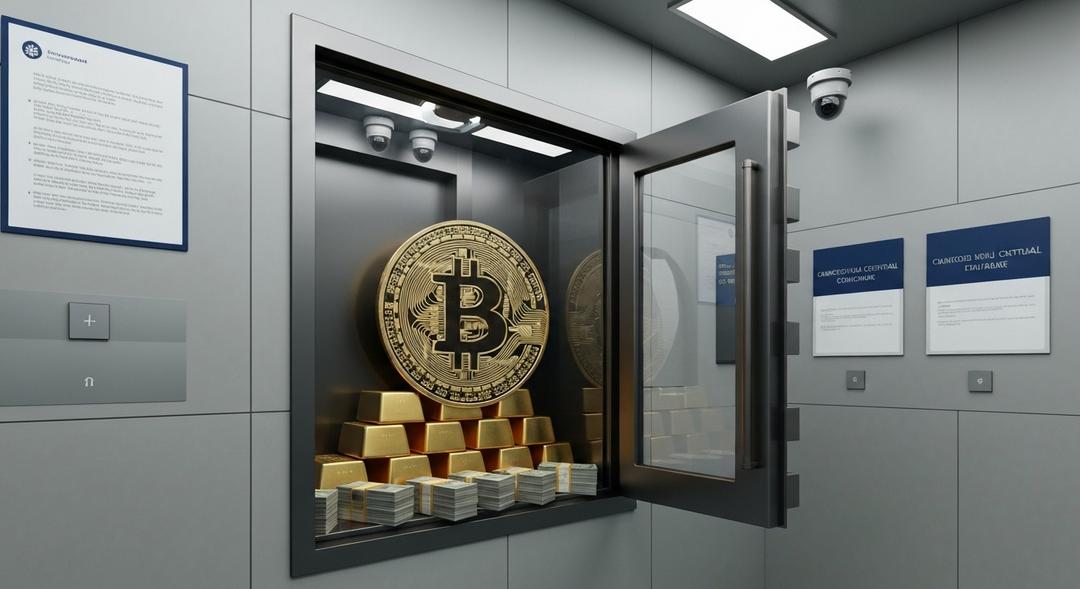
Leading economists from Deutsche Bank foresee major digital changes by 2030. Central banks could soon consider Bitcoin as a valued reserve asset.
In a recent research release, the bank proposed that national reserves may expand beyond traditional treasures like gold. The rapid shift in technology, increasing digitalization, and growing trust in cryptocurrencies are central to this bold prediction.
Many in the financial sector have been monitoring the gradual acceptance of Bitcoin by institutional investors. With volatility in classic markets and growing inflation concerns, central banks are actively exploring new hedging instruments.
Experts believe the widespread adoption of digital currencies is no longer a far-off prospect. Governments across the globe are experimenting with blockchain and related digital assets for enhanced financial infrastructure.
The Deutsche Bank report highlights how younger generations are increasingly turning to non-traditional investment avenues. Public confidence in decentralized assets like Bitcoin continues to rise, particularly among millennials and Gen Z.
The idea of combining gold and Bitcoin on balance sheets marks a significant turning point for global finance. This reflects a broader trend toward diversification and risk management among central banks.
As more countries investigate digital currency frameworks, Bitcoin’s credibility as a store of value grows. Its decentralized nature and finite supply lend an appealing sense of scarcity compared to fiat currencies.
While the integration of cryptocurrencies into reserves faces regulatory questions, many observers anticipate these hurdles will be overcome. Recent regulatory conversations in major economies signal a potential move toward more inclusive policies.
Central banks are expected to reassess the composition of their reserves as economic landscapes evolve worldwide. By adopting digital assets, nations may boost financial stability and adapt to changing international transaction patterns.
This shift also enables governments to respond faster to technology-driven changes. Adoption is no longer only for individual investors or early tech firms. Central banks want to stay relevant in an increasingly digital economy.
Investors eager to participate in this evolving scene can Start Cloud Mining to become part of the broader digital infrastructure that supports Bitcoin and other cryptocurrencies.
In conclusion, the Deutsche Bank projection signals a potential new chapter for Bitcoin and global finance. The co-existence of gold and Bitcoin on central bank balance sheets would mark an acknowledgment of digital value in national reserves.
With growing acceptance, the opportunities for digital asset adoption appear broader and more viable than ever. The financial world will be watching closely as central banks consider innovative solutions and new directions in reserve management.

Finlay’s interest in cryptocurrency sparked from a desire to explore new investment opportunities beyond traditional markets. With a focus on cloud mining, he has spent several years analyzing mining services, comparing contract plans, and evaluating profitability across different platforms. Finlay aims to provide clear, unbiased insights that empower readers to make informed decisions in the fast-paced world of crypto mining.