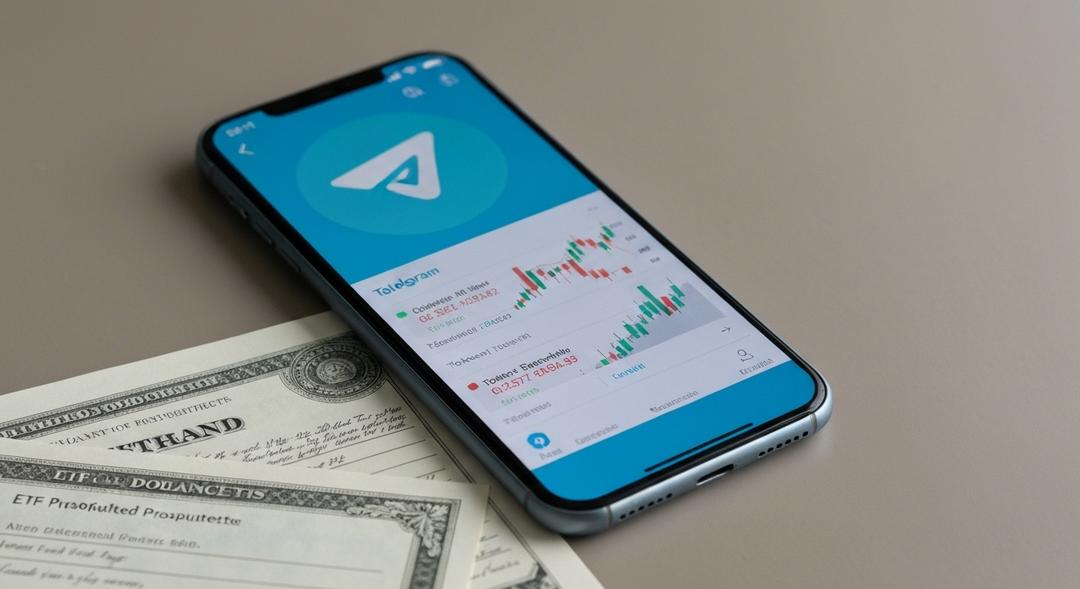
Telegram is making significant moves in the financial technology landscape today.
The company, widely known for its messaging services, has shifted focus toward blockchain-based tokenized equities and exchange traded funds. The surge of interest in tokenized assets has generated a $35 billion market, attracting both established exchanges and innovative Web3 platforms alike.
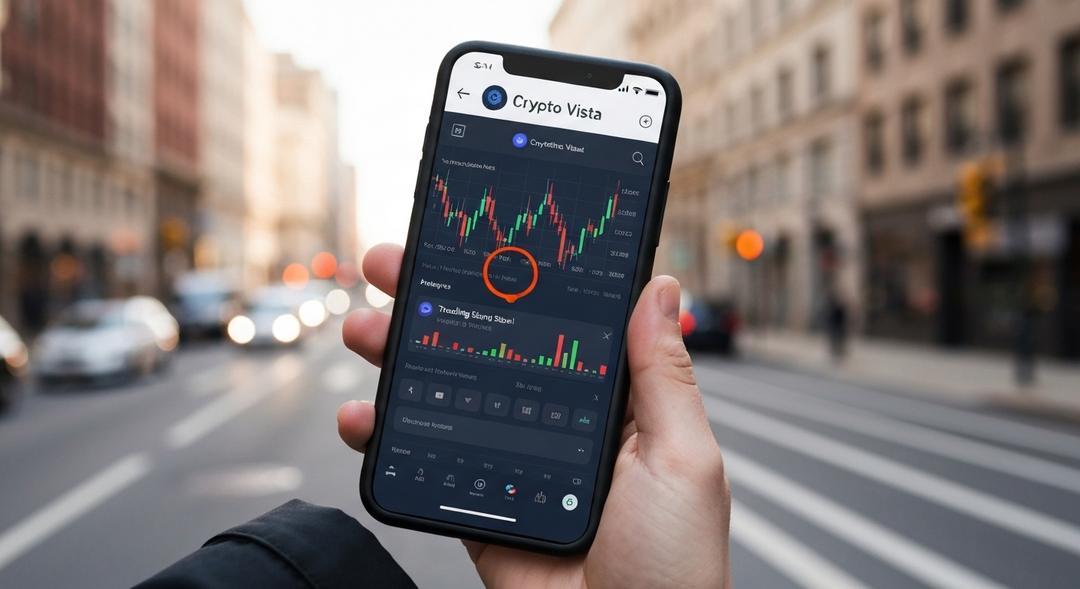
Equities tokenization allows for the representation of company shares and exchange traded funds as digital tokens directly on the blockchain. This rapidly growing field once attracted only niche blockchain developers but now commands attention from global financial players. Analysts say the current shift is transforming the way investors interact with traditional securities.
Telegram’s entry brings more than 60 real world stocks and exchange traded funds to the rapidly growing tokenized market. This step puts them alongside major names such as Gemini, who piloted tokenized securities in earlier years, and expands the landscape of what everyday investors can access. By leveraging blockchain infrastructure, companies are providing greater market access and round-the-clock trading opportunities.
Participation from platforms like BNB Chain and Solana signals the maturing of tokenized assets. These networks provide the technology backbone, supporting faster transactions and lower fees for tokenized equity trades compared to traditional exchanges. Telegram’s involvement is likely to boost confidence and add momentum to this segment, which experts estimate could swell to $1 trillion in the coming years.
Investors are drawn by several benefits tied to this transformation, including increased fractional ownership, instant settlement, and global reach. Unlike traditional markets with limited trading windows, tokenized equities open trading for users around the world at any time. The ability to Start Cloud Mining and access other blockchain powered services has created a seamless experience for those embracing new financial technologies.
This movement towards digital representation of real world assets could democratize investments, providing retail participants with unprecedented access to assets once reserved for institutional players. Regulatory environments are adapting, with global jurisdictions actively working to integrate secure frameworks for tokenized asset trading.
Telegram’s growing influence in the blockchain sector is evident as it bridges traditional finance with distributed ledger innovation. Users now look beyond messaging, recognizing Telegram as a gateway to novel financial possibilities.
Telegram’s Strategic Stake in the Tokenization Revolution
Market observers have noted that Telegram’s participation is likely to have ripple effects across the industry. With over 800 million monthly active users, its platform gives enormous visibility to tokenized stocks and exchange traded funds.
Traditional financial institutions are monitoring this migration closely, acutely aware that blockchain based models could change industry practices. Telegram’s vast user base gives these new offerings a strong chance for mainstream acceptance.
By reimagining access to stocks and ETFs, Telegram and its peers are reshaping what digital ownership means. This expansion could lead more established exchanges to accelerate their own Web3 strategies in response to shifting investor interests.
Conclusion
The momentum in tokenized equities marks a defining moment for the finance industry.
Telegram’s integration of stocks and ETFs into its blockchain offerings is set to increase accessibility and investor participation on a global scale. As more platforms expand their reach, the promise of fractional ownership and continuous trading is becoming a reality.
Many expect the rapid pace of adoption to persist, as Telegram and similar players continue pioneering new ways for individuals to invest in assets. This shift is transforming financial markets and it shows no signs of slowing down.

Finlay’s interest in cryptocurrency sparked from a desire to explore new investment opportunities beyond traditional markets. With a focus on cloud mining, he has spent several years analyzing mining services, comparing contract plans, and evaluating profitability across different platforms. Finlay aims to provide clear, unbiased insights that empower readers to make informed decisions in the fast-paced world of crypto mining.