
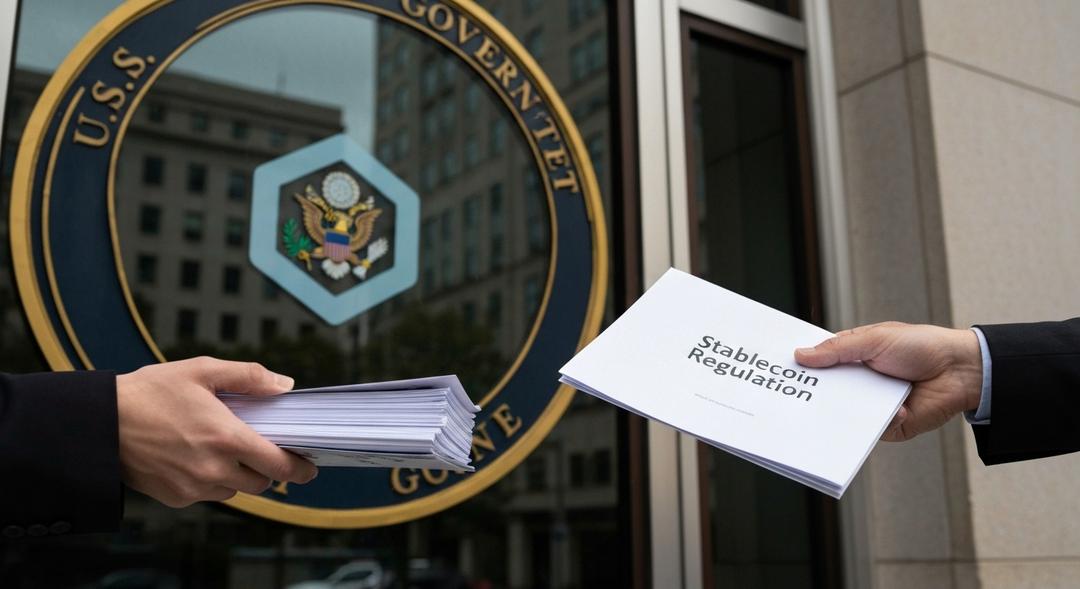
The United States is making progress in regulating stablecoins this year. New moves from the Treasury Department are bringing the sector into focus for both businesses and consumers interested in digital finance.
Federal officials have now launched a formal period for public comment, prompted by a new federal law for the first time. This process has direct implications for both the cryptocurrency sector and those looking to Start Cloud Mining as the landscape for digital assets rapidly changes.
The Treasury has started an advance notice of proposed rulemaking, inviting interested parties to share perspectives and data regarding the Guiding and Establishing National Innovation for U.S. Stablecoins Act, often referred to as the GENIUS Act.
This information-gathering process is a pivotal step as the government seeks to shape concrete proposals that address a wide range of topics. Among these are rules for stablecoin issuers, new sanctions requirements, anti-money laundering measures, coordination between state and federal oversight, taxation, and the role of foreign regulators.
Members of the public, crypto companies, and advocacy groups now have about a month to submit their views and expertise before the window closes in October.
Throughout the notice, the Treasury posed dozens of questions to gain a clearer view of what effective regulation might look like for this evolving sector.
Officials are seeking public input on crucial details, such as whether rules are needed for stablecoin reserve custody or if foreign regulatory regimes offer key lessons for the United States.
This latest action builds on earlier informal calls for feedback made last month, when the Treasury began soliciting comments on preventing illicit activity in the cryptocurrency space.
The GENIUS Act itself marks a significant milestone, having become the first major federal law dedicated to the crypto market. Its passage provides rare clarity, answering long-standing calls from industry players and government observers for legal guardrails in a space sometimes known for its unpredictability.
The focus for policymakers now turns to even broader legislative efforts, with the overall architecture for the digital asset industry still under discussion.
Senators from both major parties are currently working together to shape new rules for the wider crypto sector, including the Digital Asset Market Clarity Act already approved by the House of Representatives.
The GENIUS Act has thrust the United States to the forefront of countries tackling digital asset regulation, at a moment when global interest and investment in cryptocurrencies is rising.
Much of the current push for crypto regulation comes from the executive branch, with President Trump’s administration making it clear that building a constructive legal framework is a top priority.
Regulatory agencies are also moving quickly, as evidenced by efforts from the Treasury and financial regulators to finalize guidance that aims to make the US a leader for innovation in blockchain technology and digital currencies.
At the same time, market analysis from major banks indicates that the stablecoin segment is at a turning point.
Analysts now suggest that continued expansion in the overall crypto market will likely be needed to support future growth in stablecoins, or else competition between these tokens could begin to outpace demand.
Capital formation, ease of access to digital assets, and increased consumer adoption all depend on a landscape where market participants trust the rules and understand their rights and obligations.
For this reason, public engagement in the current comment process is crucial for achieving balanced regulations.
That participation ensures that both large institutions and smaller players have a say as the marketplace evolves.
As global leadership on crypto regulation becomes more important, initiatives such as the GENIUS Act and related public feedback will help determine how the United States shapes its role within the global economy.
The decisions made in the weeks and months ahead could influence not just American policy but standards set by international counterparts as well.
Industry observers are closely watching to see whether new US laws will spark similar efforts in other countries.
How these regulations develop will be critical for companies interested in everything from stablecoin issuance to services that enable people to Start Cloud Mining without the infrastructure investment.
Regulatory clarity is expected to boost confidence, encourage innovation, and help the United States attract more talent and business in the financial technology sector.
Conclusion
The Treasury Department’s latest move signals a meaningful commitment to balancing innovation with accountability in the rapidly changing digital asset world. The current public comment window under the GENIUS Act is poised to shape the details of new regulations that will ultimately affect a wide range of market participants, from issuers to crypto enthusiasts.
By inviting a broad cross section of opinions and fostering transparent debate, the United States is positioning itself as a leader in developing practical, forward-looking digital currency policies. The outcomes of these efforts will influence the stability, competitiveness, and global standing of US markets as more individuals and companies continue to explore opportunities in cryptocurrency and blockchain technology.

Ewan’s fascination with cryptocurrency started through his curiosity about innovative technologies reshaping the financial world. Over the past four years, he has specialized in cloud mining and crypto asset management, diving deep into mining contracts, profitability analysis, and emerging trends. Ewan is dedicated to helping readers understand the technical and economic aspects of crypto mining, making complex information accessible and actionable.