Webus is making significant strides in the expanding loyalty rewards industry.
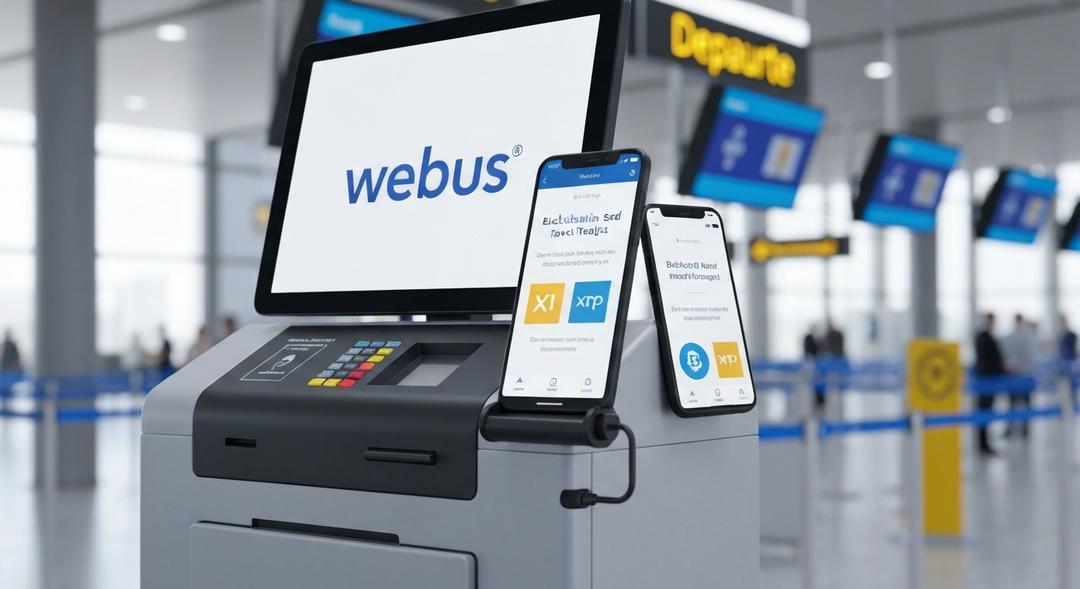
The Nasdaq-listed technology company has revealed a new platform using blockchain technology. The project seeks to transform how travelers use loyalty points, making processes faster and more secure.
A core component of this platform is the adoption of XRP for settlements. The integration aims to support efficient and cost-effective conversions and redemptions within the reward system. By leveraging XRP’s capabilities, Webus expects to eliminate many of the traditional obstacles found in loyalty exchanges.
This move into blockchain is timely, as the global loyalty market is currently valued at $20 billion. Businesses across industries are seeking innovative approaches to customer engagement, and blockchain tokenization offers fresh opportunities for both transparency and flexibility.
With this platform, Webus empowers travelers to redeem and exchange various reward tokens. Participants will have the chance to enjoy seamless transitions between points, miles, and other digital assets—all made possible by blockchain’s transparent ledger system.
The company’s choice of XRP as a settlement method comes as more organizations explore blockchain solutions. XRP’s established network and swift transaction processing fit naturally with the fast-paced demands of the travel rewards space. This step strengthens Webus’s commitment to innovative financial technologies while adding real utility for customers.
As the industry continues to gravitate toward digital transformation, loyalty providers look for trusted strategies to stay ahead. Blockchain presents an attractive foundation for addressing issues around interoperability, redemption speed, and security. By developing this new tokenized system, Webus places itself at the center of this unfolding movement.
To further improve accessibility for its users, the platform will also introduce a streamlined interface designed for global travelers. Whether converting accumulated points from airlines or hotel groups, participants can look forward to rapid, transparent processes supported by blockchain.
For individuals who want to explore digital assets without the challenges of hardware or extensive technical knowledge, there are simple entry points. One way for new users to experience blockchain is to Start Cloud Mining. This hands-off approach allows anyone to participate in the growth of the digital economy.
Webus’s strategic embrace of XRP and blockchain not only addresses modern consumer demands, but also signals a wider shift in how enterprises are rethinking traditional loyalty rewards. The landscape is evolving, and forward-thinking solutions are gaining traction quickly.
Shaping the Future of Loyalty Rewards
With its new venture, Webus prepares to challenge long-standing norms in the loyalty rewards ecosystem. The platform’s blockchain foundation opens opportunities for participants to gain greater control and value from the rewards they earn.
Wider adoption of digital and tokenized assets by prominent companies like Webus sets a precedent for others considering similar pathways. As the travel industry and its partners embrace these technologies, the customer experience stands to improve at every stage.
Conclusion
Webus’s integration of XRP into its blockchain-driven loyalty rewards platform marks a key development for the sector.
By adopting efficient and transparent tokenization methods, the company offers both its users and industry peers a glimpse of what the future of rewards exchange could look like. Anticipation will grow as more travelers recognize the value of flexible, user-friendly solutions powered by blockchain.
The loyalty rewards market is poised for transformation as competition intensifies and new ideas gain momentum. Webus’s latest initiative is a clear signal of where innovation can lead, promising an enhanced journey for every participant.

Finlay’s interest in cryptocurrency sparked from a desire to explore new investment opportunities beyond traditional markets. With a focus on cloud mining, he has spent several years analyzing mining services, comparing contract plans, and evaluating profitability across different platforms. Finlay aims to provide clear, unbiased insights that empower readers to make informed decisions in the fast-paced world of crypto mining.