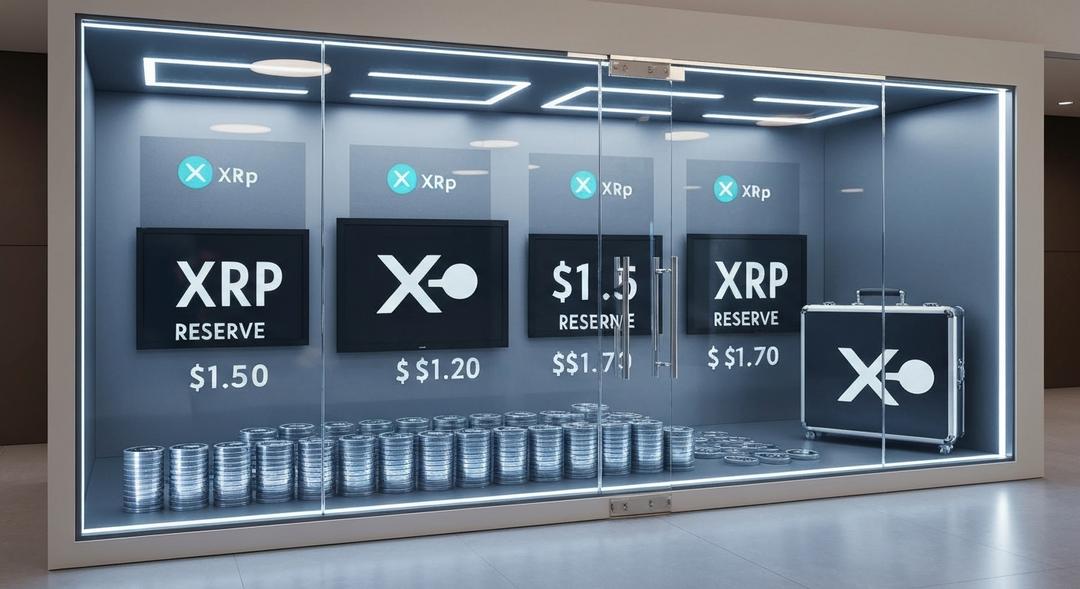
XRP reserves have reached an impressive new benchmark this week. With treasury values now exceeding $11.5 billion, the digital asset continues to gain momentum among major institutional investors.
Heightened interest from corporations has contributed to this surge. Among the latest developments is the significant decision from Reliance Global Group, a public company listed on Nasdaq, which has added $17 million worth of XRP to its asset base.
This acquisition signals a strengthening commitment from established financial entities toward cryptocurrencies as part of their treasury strategies. Investors are watching closely, recognizing how these decisions can shape broader market dynamics and affect perceptions within traditional finance circles.
Reliance Global’s recent purchase not only boosts its own portfolio but also underscores the international trend of companies diversifying reserves beyond conventional currencies. Such moves provide a strong endorsement for XRP’s utility and acceptability at the highest levels of corporate finance.
Large-scale treasury investors often influence wider adoption among peers, and this scenario is no exception. The fresh capital poured into XRP is likely to ignite further interest from financial managers seeking diversification in volatile markets.
Crypto advocates argue that these sizable transactions reflect a growing confidence in blockchain-based assets to store value and potentially hedge against inflation. XRP’s addition to the treasury of a Nasdaq-listed entity sets a new precedent, marking another chapter in the evolution of digital asset management.
Meanwhile, industry analysts have highlighted that the cumulative effect of such investments strengthens XRP’s position in the ecosystem. Its increased presence within treasuries highlights a steady shift from speculative use to institutional adoption and long-term holding.
Ripple, the company behind XRP, has continuously emphasized partnerships with banks and other financial institutions. The company’s efforts to facilitate global payments through blockchain have fueled interest in its digital asset as a treasury and settlement tool.
The market’s reaction to Reliance Global’s $17 million commitment has been positive, with many forecasting that more corporate players will move to include digital assets in their balance sheets. This growing trend illustrates the transition to modern treasury strategies that embrace technology-driven diversification.
Financial executives now have more options than ever when deciding how to safeguard and grow corporate cash reserves. The pathway to Start Cloud Mining or to build direct positions in established digital assets like XRP now appears more viable than ever for risk-aware corporations.
Strategists within the crypto industry believe that adopting digital assets for treasury management can provide new efficiencies and potential upside. As companies experiment with these approaches, their stories spark interest and discussion throughout both technology and finance sectors.
Conclusion
Institutional choices like Reliance Global’s purchase reflect changing attitudes within the business world. The move toward digital asset holdings is gradually becoming a hallmark of forward-thinking treasury management.
With XRP reserves now standing above $11.5 billion, this is an important moment for the cryptocurrency industry. As more corporations follow suit, digital assets are set to become an indispensable element within the global financial system.

Finlay’s interest in cryptocurrency sparked from a desire to explore new investment opportunities beyond traditional markets. With a focus on cloud mining, he has spent several years analyzing mining services, comparing contract plans, and evaluating profitability across different platforms. Finlay aims to provide clear, unbiased insights that empower readers to make informed decisions in the fast-paced world of crypto mining.